
The Work Nobody Sees
After thirteen years grinding in this industry, I thought I’d seen it all.
In 2012, I walked away from corporate IT work that paid better but felt like slow suffocation. Nine years running IT and advertising departments at an insurance company—good money, decent benefits, the kind of stability everyone said I should want. But every day felt like I was solving the same problems for people who didn’t actually care if they got solved.
I wanted to build something that mattered. Something I could point to and say I did that.
So I quit the safe job, scraped together everything I had, and opened a tiny storefront in Nanticoke. Eventually moved to Edwardsville. This wasn’t a side hustle or a “let’s see what happens” experiment. This was everything on the line. My shot.
And from day one, I refused to cut corners.
I sourced affordable quality parts and tested them myself before they went anywhere near a customer device. I applied adhesive precisely so screens stayed sealed, not peeling off three months later. I organized every screw so none went missing. I cleaned connections, tested functionality, double-checked my work. Every repair got treated like it belonged to my own family.
Because here’s the thing—most of what we do, nobody sees.
They don’t see us removing every speck of old adhesive, grime, and glass shards before installing a new screen. They don’t see the adhesive primed and reapplied so the phone doesn’t fall open in six months. They don’t see the magnet mat organizing dozens of microscopic screws or the tracking methods that keep everything accounted for. They don’t see the countless warranties and courtesies we honor at no charge because that’s what you do for loyal customers.
That’s the craft. That’s what separates a repair from a hack job.
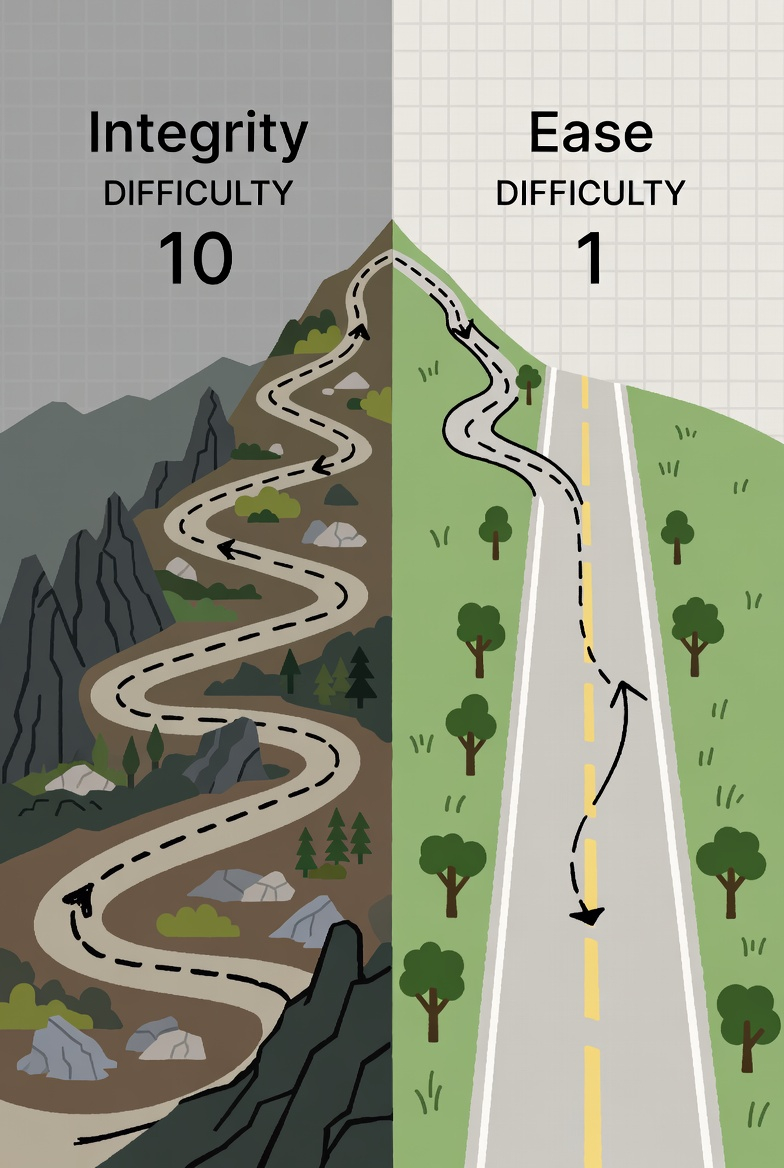
Last week, a customer brought in a phone another shop had “fixed.” The screen worked fine. But when I opened it up, I found three missing screws, adhesive slapped on crooked, and a connector barely seated. It worked. For now. That’s not craft. That’s luck.
These days, I’m not doing every repair myself anymore. I’m running operations, managing multiple locations, planning growth. But I’ve trained my team the same way I learned—with pride in the details nobody sees.
One of my core principles when mentoring a new technician is simple: Take pride in your craft. Your name is on it. People pay good money for that repair. Wouldn’t you want it done right?
When a tech on my team cuts corners—rushing through a repair, skipping steps, not cleaning contacts properly—we have a conversation. Not about speed or efficiency. About reputation. About what happens when that customer comes back in three months and their repair failed. About what it means to put your name on work you’re not proud of.
Some techs get it immediately. Others never do. The ones who don’t? They don’t last here.
My techs know: if your name goes on that repair, it better be done right.
Real repair work is invisible.
Quality parts feel the same as cheap ones—until six months later when one fails and the other doesn’t. A truly solid repair doesn’t announce itself. It just works. Quietly. For years.
And that’s the challenge, isn’t it? You can’t see craft. You can only see the absence of it when something breaks.
Most customers have been sold convenience their whole lives. Fast. Cheap. Easy. They don’t know what invisible quality looks like because nobody’s shown them. They just know their phone works again.
You don’t get bitter about what people don’t see. You just keep doing the work right. You keep training the next generation to do the same. You keep showing up—every single day—because that’s what craft requires.
Here’s what craft costs:
It costs time. The extra five minutes per repair that adds up to hours per week that I could be doing something else.
It costs money. Quality parts cost more. Honoring warranties out of pocket costs more. Refusing to take shortcuts costs more.
It costs sleep. Thirteen years of worrying whether the business will survive the next slow month, the next economic downturn, the next corporate competitor moving into town.
It costs relationships. Nights I wasn’t home. Weekends I was working. Family events I missed because we said we’d be open and my team was counting on me.
I’ve sacrificed more than I probably should have. But I don’t know how else to do this.
Look—I’m not into the social media performance thing. I don’t post daily updates or film myself or make motivational videos about “the grind.” That’s not my style. I’m working on sharing more of the real story here, though. Not the polished version. The honest one.
Where my iDropped team shows up because we said we’d be open. Where we put everything on the line and keep going. Where we’re still here after thirteen years because we refused to compromise on the work nobody sees.
Anyone can slap a screen on and call it fixed. Not everyone takes pride in the work nobody sees.
We do. Every single device. Every tiny screw. Every connection that matters. Every tech I’ve trained to uphold the same standard. Every day we show up anyway.
That’s not just business. That’s craft.
To the ones who trust us with their devices, who appreciate the details nobody sees, who support local craft over corporate convenience—thank you. You’re why we’re still here. And we’re not going anywhere.


 Breaking and Building
Leave a comment